


The daily responsibilities of a firm’s financial manager are both demanding and complex. A financial manager must ensure that the organization maintains sufficient cash flow to cover operational, marketing, and information technology expenses. In addition to these ongoing costs, the firm must also be able to fund necessary capital expenditures.
The ability to effectively manage these varying financial obligations highlights the importance of the four primary financial statements. To successfully oversee a company’s finances, a financial manager must address three critical questions:
- What long-term investments are necessary for the organization’s operations to succeed?
- Can the firm afford these investments, and if not, what financing options are available?
- How should daily financial activities and obligations be managed?
Once these questions are thoroughly evaluated and answered, the financial manager will be better equipped to maintain an appropriate level of financial control over the firm.
Long-term investments include property, plant, equipment, and land. Property, plant, and equipment, or PPE, are investments necessary to build a functional operational strategy and create cash flow opportunities. In general, a long-term investment is classified as an asset that cannot be converted into cash within one year or the firm’s operating cycle, whichever is longer.
A practical example of a valuable long-term investment is an appropriately sized building in a premium location. An investment should be properly sized to achieve operational success, while a premium location can help attract skilled employees. Above all else, a firm should pursue long-term investments that remain within capital expenditure constraints while also providing future financial returns.
Capital budgeting is the process of managing a firm’s long-term investments. The goal of capital budgeting is to identify long-term investments that provide future benefits exceeding their acquisition costs. When evaluating investments, the size, timing, and risk of cash flows must all be considered. Size refers to the amount of financial return expected to be received, timing refers to when the return is expected, and risk refers to the likelihood of successfully converting the investment into cash or realizing the anticipated return.
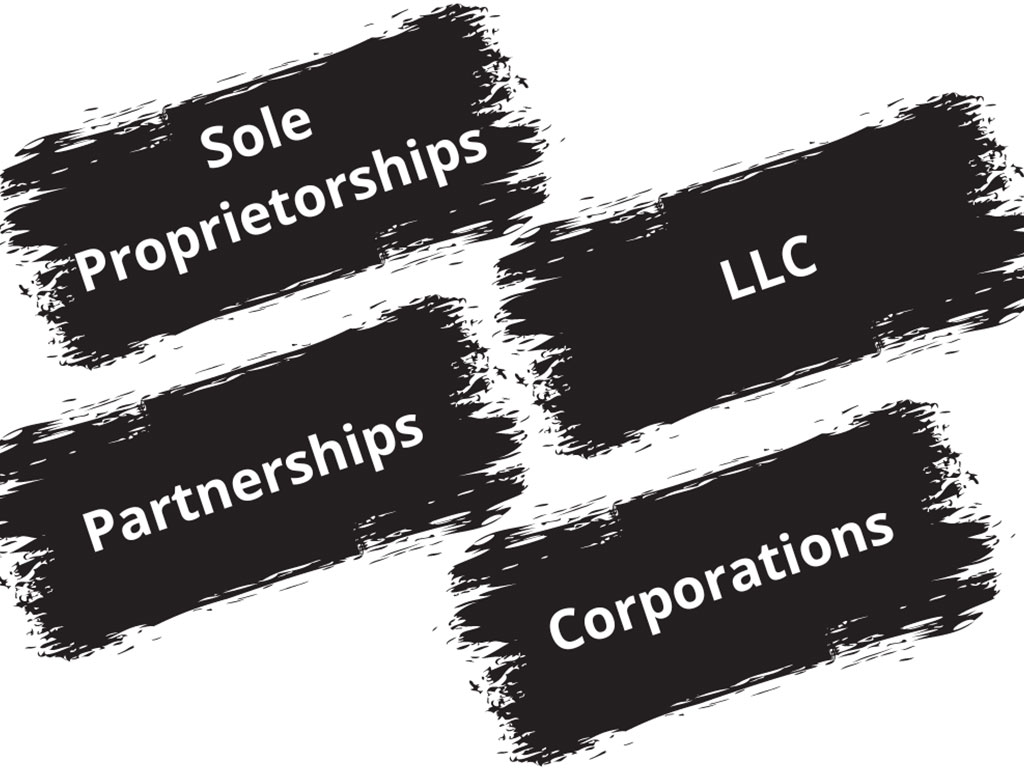
A firm’s capital structure is the combination of long-term debt and equity used to finance its operations. If a firm does not generate sufficient cash flow to cover both capital expenditures and operating expenses, it must explore alternative strategies for raising capital. The ability to raise equity depends largely on the firm’s business structure. For sole proprietorships and partnerships, raising equity that is not directly tied to increased operating cash flow can be difficult. These business structures often depend on angel investors and venture capital firms, which can introduce additional operational risk. Corporations generally have an easier time raising equity because they can issue stock to investors.
If a firm does not have a reliable method for raising capital from investors, it may need to borrow funds from creditors. The principal and interest owed to creditors are recorded as long-term debt on the debtor’s balance sheet. Obtaining debt financing can be risky because if forecasted future cash flows do not exceed debt obligations, the firm may default on its loan. A default can trigger a series of unfavorable outcomes, including legal liability, damage to the firm’s creditworthiness, and reputational decline.
The firm’s daily financial activities is tied to its working capital. Working capital is the difference in a firm’s current assets and current liabilities. Current assets are assets that an entity owns that it expects to receive economic benefit from within one year or operating cycle. Common current assets include cash, account receivable and inventory, while common current liabilities include accounts payable and short-term debt. Working capital management is essential because it is directly tied to operational efficiency. It assists the firm in managing cash, guiding credit strategies for customers and determining the need for obtaining short-term debt.
Capital budgeting, capital structure and working capital management are three areas of corporate financial management. There are decisions related to each of these disciplines that must be answered for the firm to achieve positive cash flow results.